
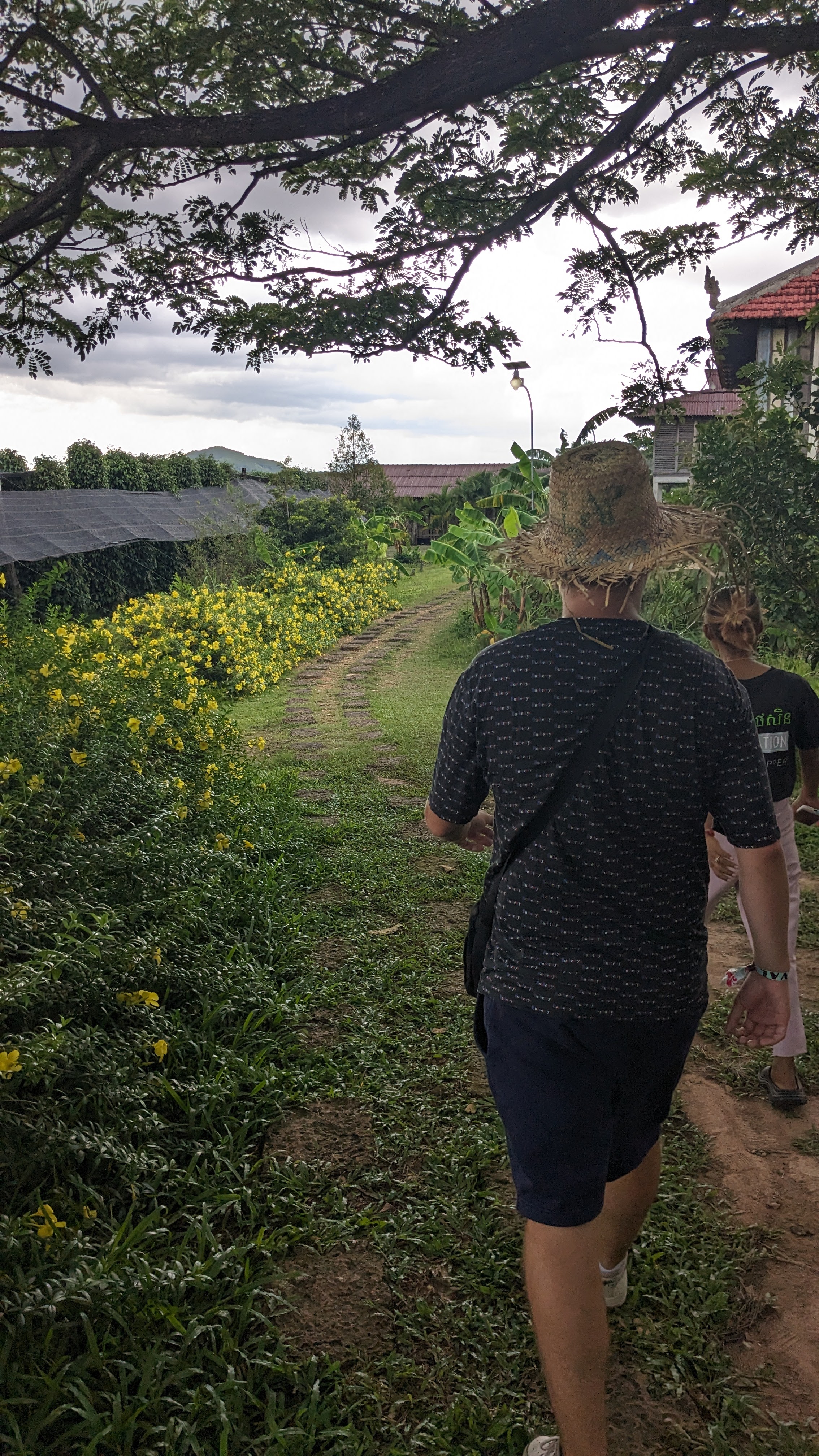
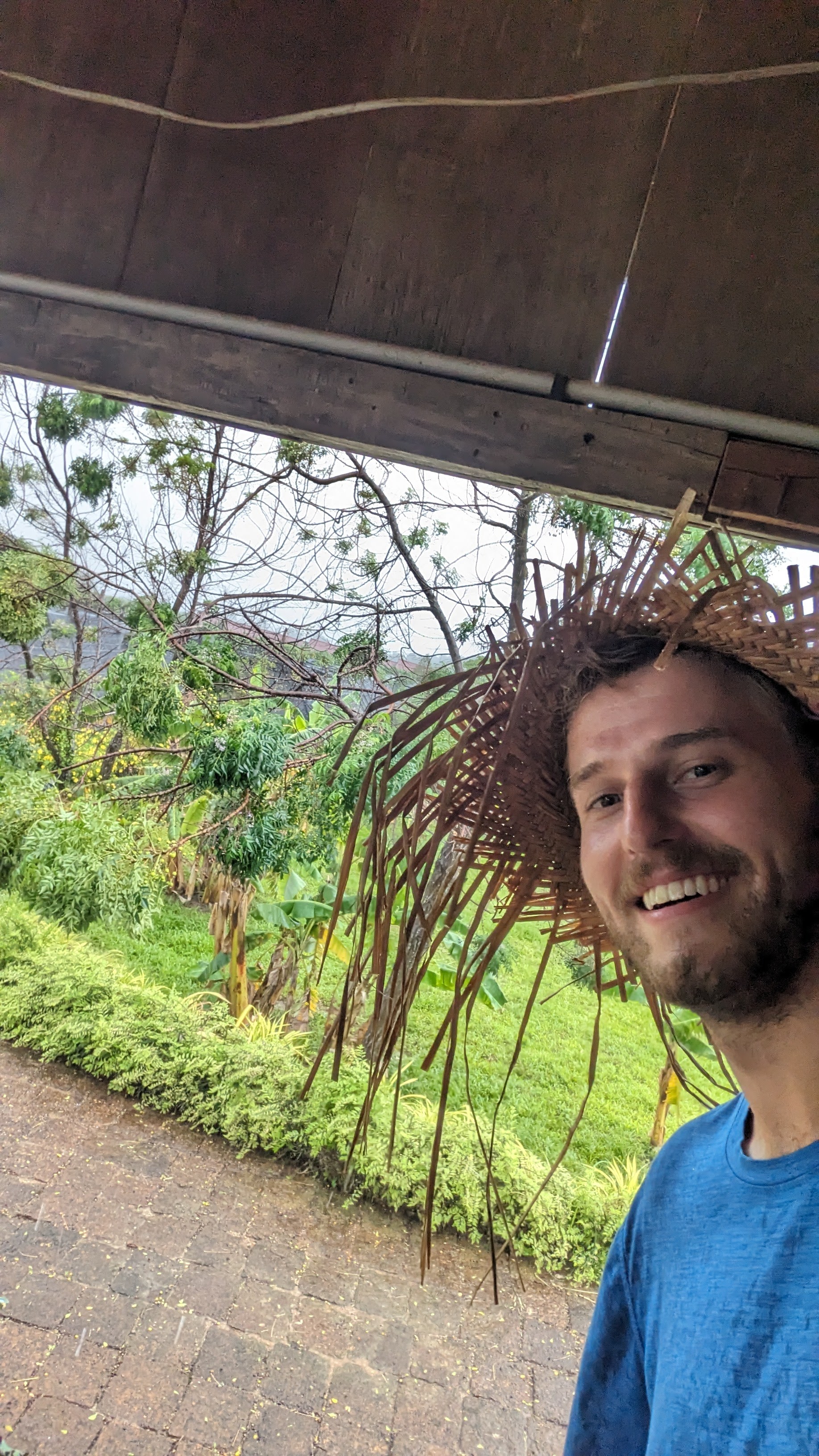
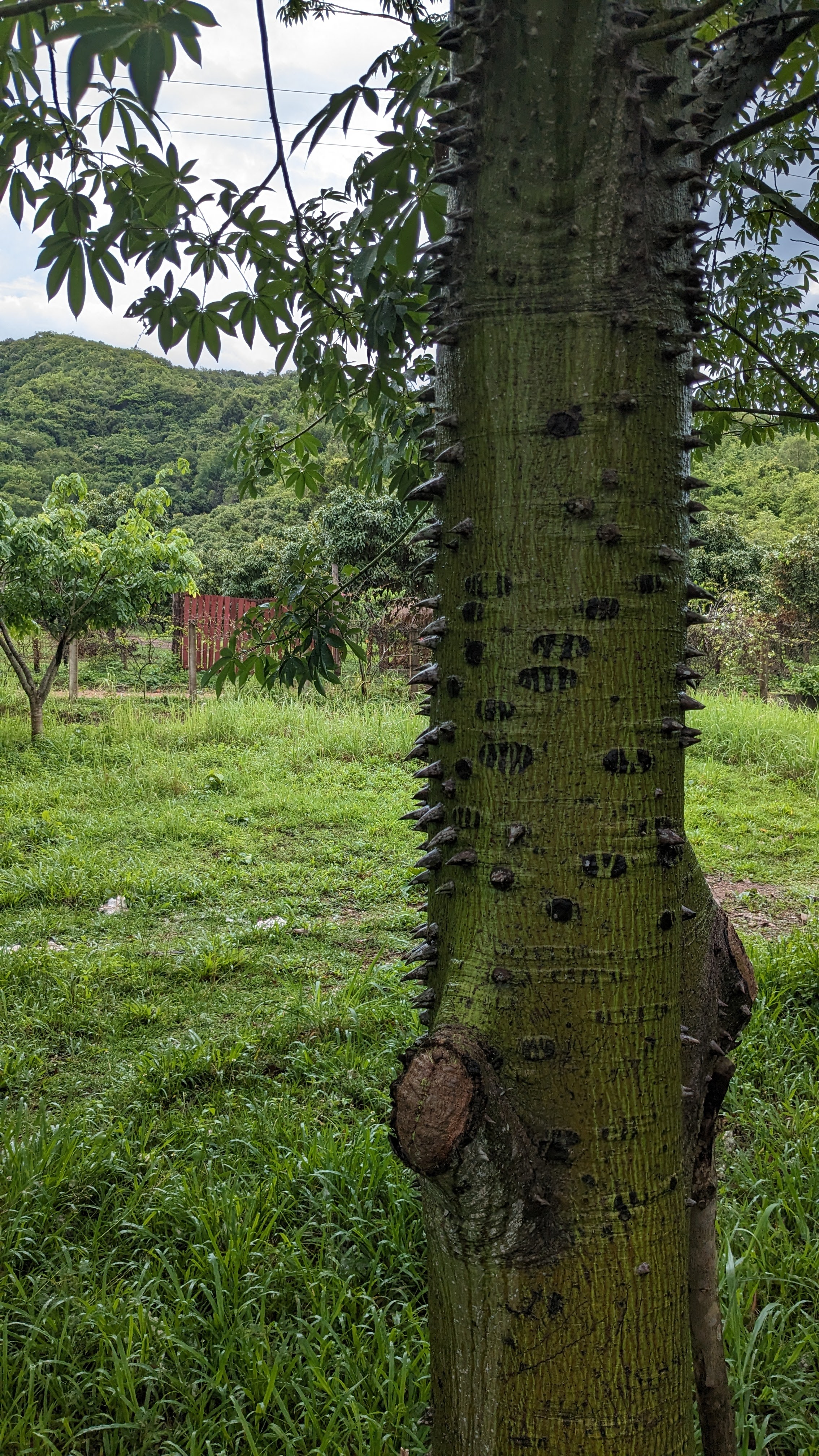
The boat ride to Sihanoukville was easy, but the route between Sihanoukville and Kampot was one of the bumpiest and slowest roads I’ve ever experienced. My first day was mostly spent exploring the waterfront and the area near my hotel. The next day Ed reached out to let me know he was also in Kampot, and he had planned with another friend of his to go on a guided tuktuk tour of the surrounding area. I decided to join, and we quickly met up and joined the tuktuk driver for the day. Unexpectedly, the driver had brought his young son who ended up riding along with us in the back of the vehicle. Our first stop was an area towards the ocean where numerous salt pools and warehouses were used to dry seawater and produce salt for a lot of the area. It was definitely interesting to see, and reminiscent of salt farms back home in the California bay area. Next we moved on to a pepper plantation owned by a European couple living in the area. This plantation was exceptionally well set up for tourists, and we enjoyed a quick tour around the beautiful plantation before rain started pouring down on us. We learned about lots of additional crops grown on the land, including coffee, pineapples, durian, and much more. The most fascinating crop was called the Kampot pepper, a particular (and delicious) variety of pepper pictured below. It is technically a variety of black pepper, and grown in a very limited region of Cambodia as well as some places in Europe. I learned about the differences between black, white, and the less common green pepper (various levels of growth and drying). I had never known how much I had to learn about this interesting and delicious plant. The rain, when it came, was not too dismaying as it forced us back to the product area, with just about everything available to sample. We went through testing several different pepper varieties, traditional and Kampot variety, writing notes and rating our preferences (Ed’s friend Mackenzie was a sommelier, making this a particularly interesting experience to share with him). The salted green Kampot pepper was my favorite and I could easily have snacked on it all day. We even tried black pepper vanilla and white pepper chocolate ice creams (both good!), but eventually rejoined our driver to continue the tour. The ride to our next destination was fairly long and took us over rain damaged roads, but was made more interesting by playing with the driver’s son who had quite a lot of energy at this point in the day.





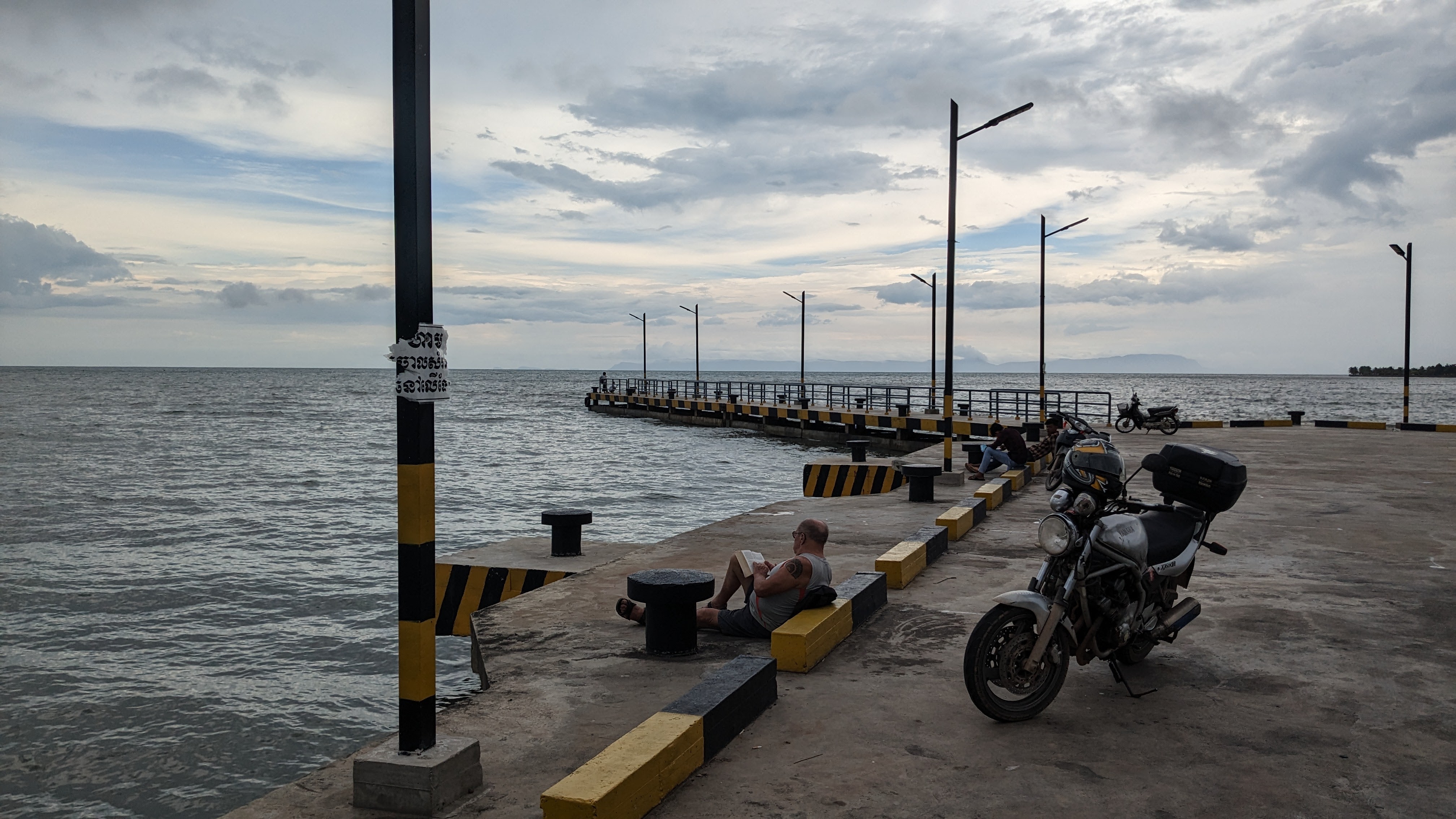
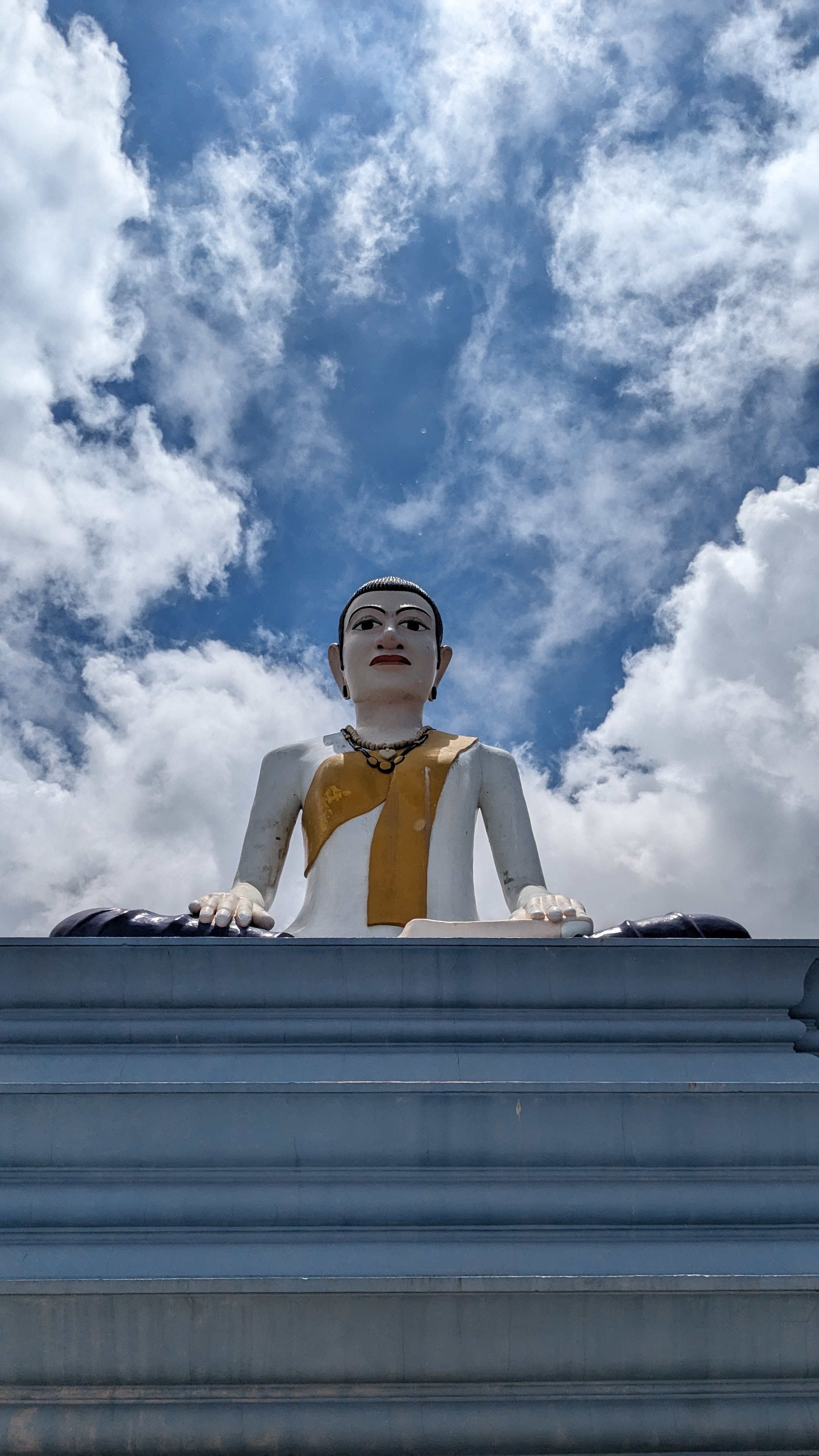
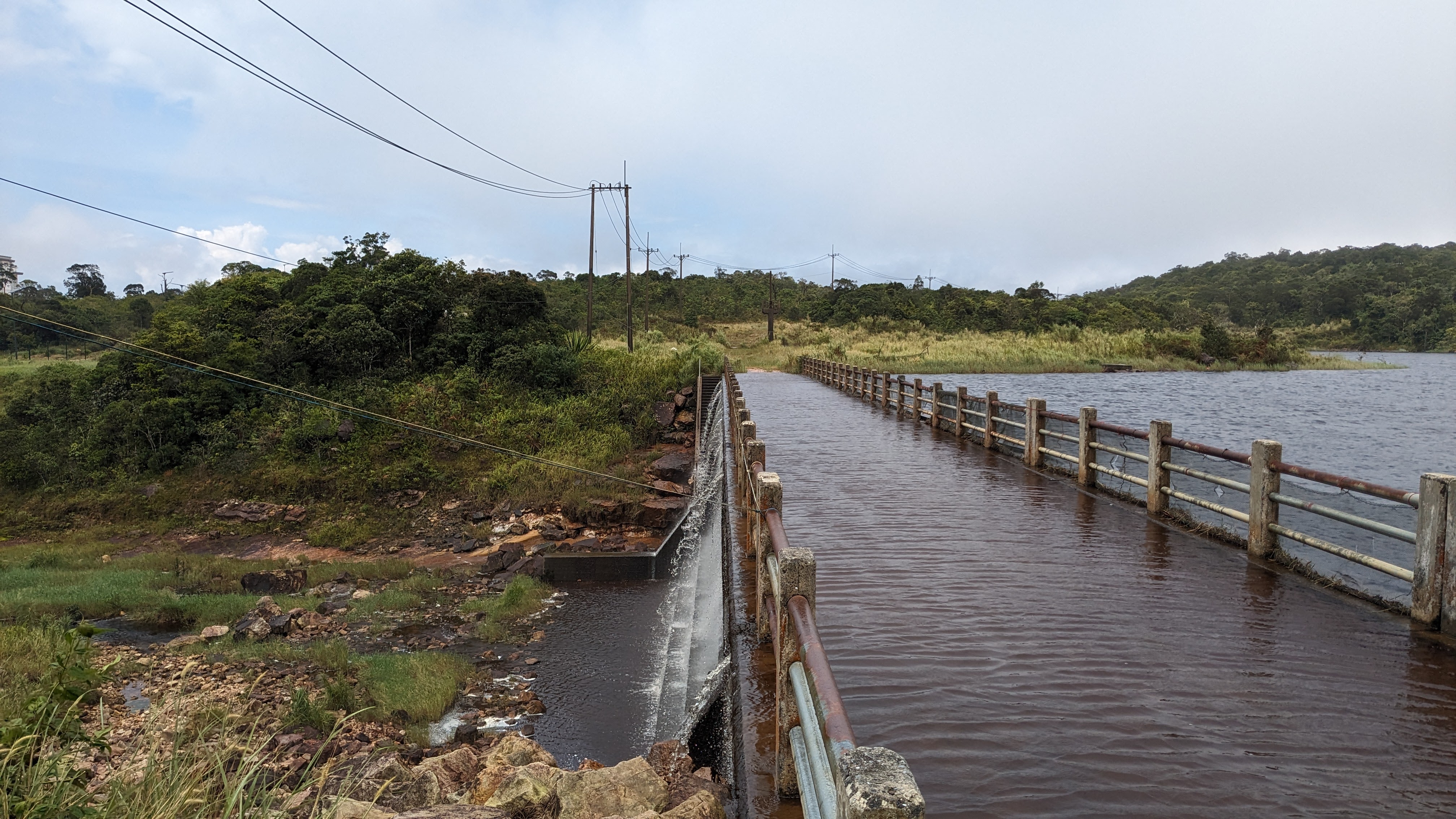
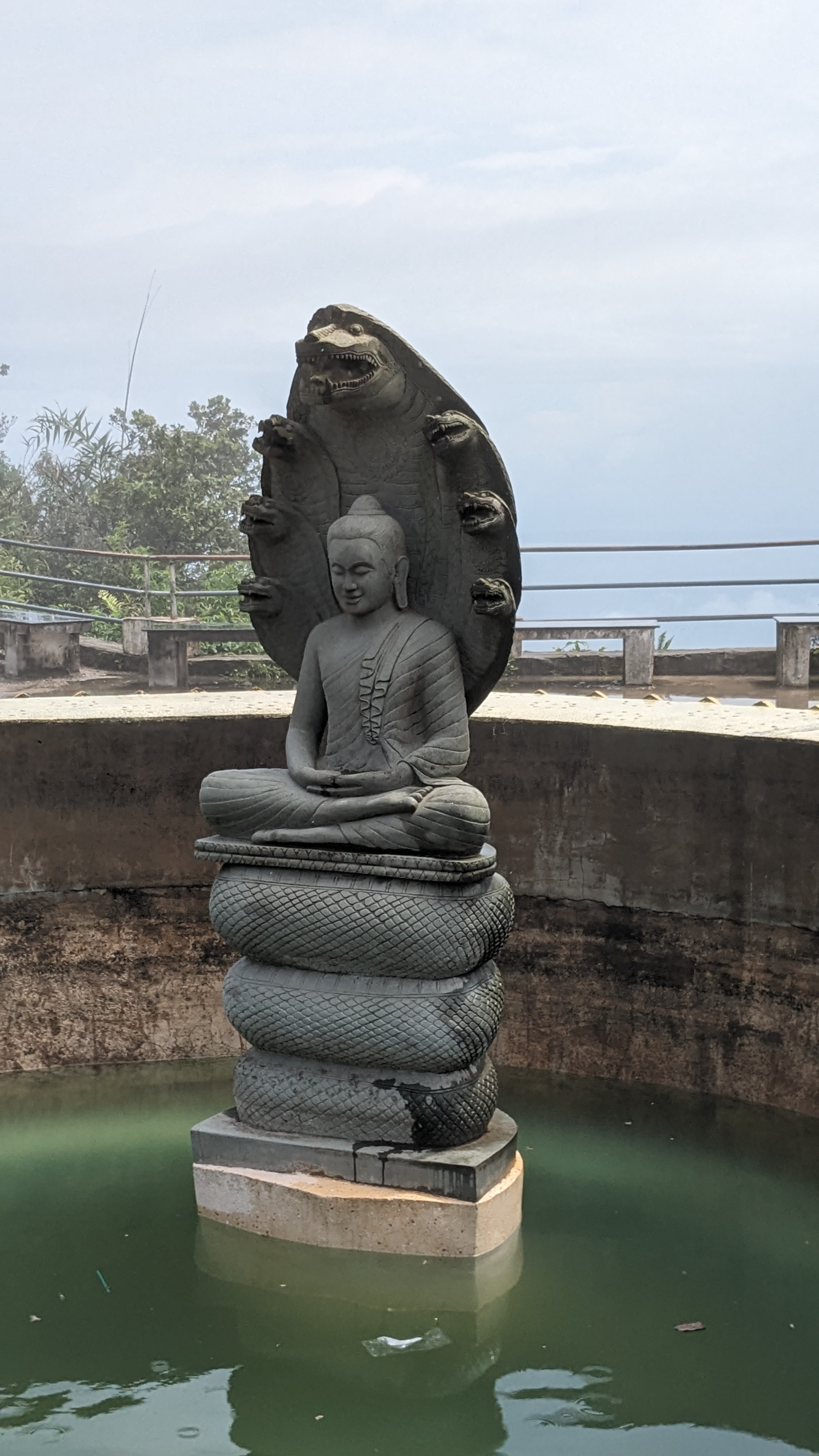
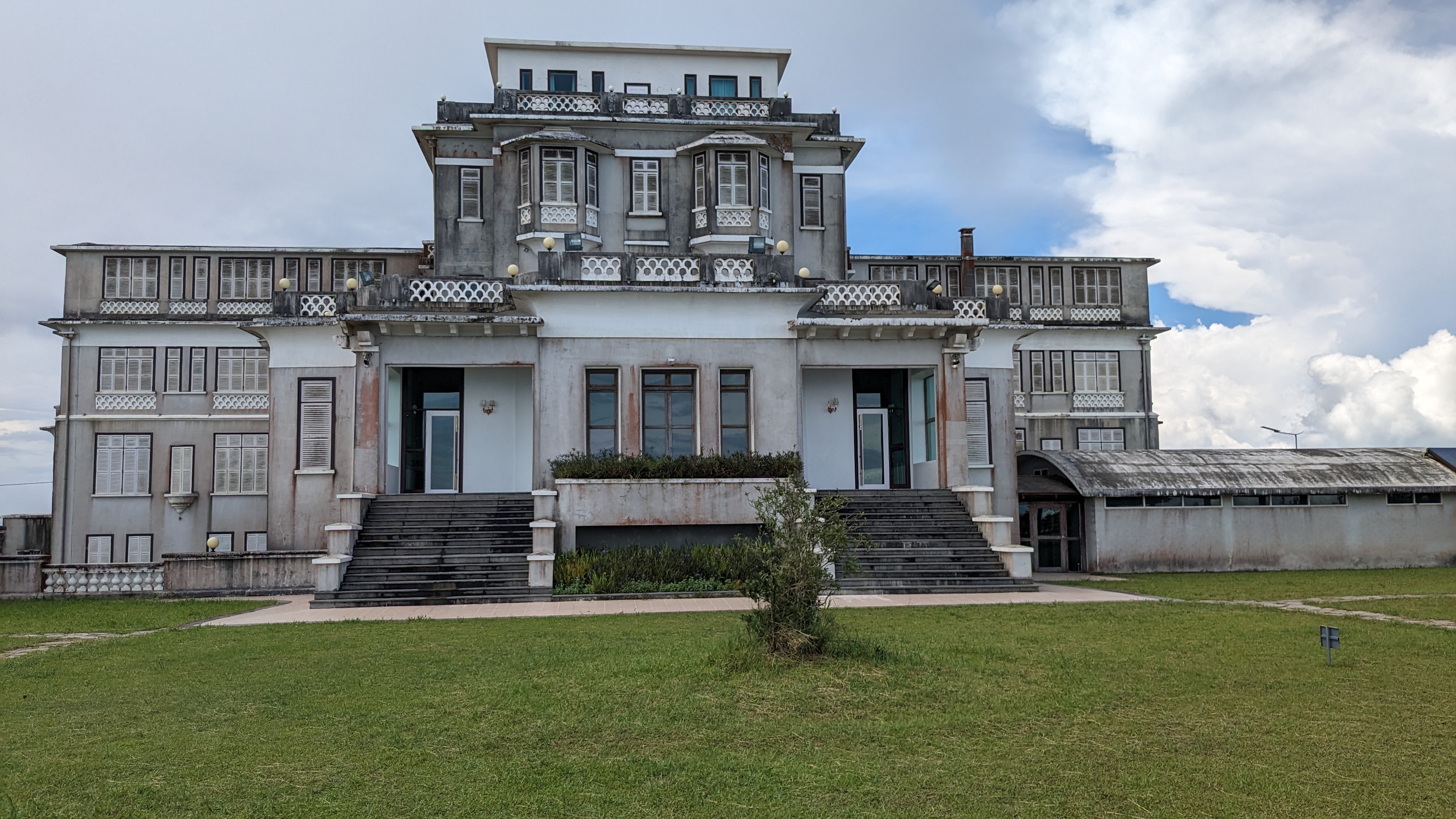
Eventually we made it back to the coastline and had a quick stop at a pier with a beautiful view of Phu Quoc island, a popular vacation destination in Vietnam. Eventually we started making our way back towards Kampot along the coast, and stopped for dinner at a seafood restaurant recommended by our driver. We had some delicious crab pasta, along with some wine and beer with an ocean view. The restaurant gave us some fruit for dessert and after enjoying our meal headed back to the tuktuk, where we found our driver taking a well deserved nap. His kid was still awake and excited to see us, so we decided to take a quick walk with him, and got us all ice cream. Eventually we came back to the tuktuk and woke the driver, before a beautiful sunset ride along the coast back to our rooms for the night. The next day Ed and I decided to rent a bike together once again, and take a day trip to the nearby Bokor mountain, . The ride started with some time on the highway, but about halfway through we entered the park and the road became a series of much calmer uphill switchbacks. As we ascended the air got cooler, and we found ourselves winding through a forest with monkeys lining both sides of the road. We slowed down for some pictures but continued making our way up to the top of the mountain- really more of a plateau. The area has a fascinating history, once being a French hill station during the colonial era, and now in the midst of large scale development with the goal of drawing significant tourism. These days, there are still several well maintained temples and renovated buildings, preparing for an influx of tourists that don’t seem to have arrived yet. Our first stop was a massive Buddha statue, alongside places for offerings and lots of smaller statues. There was also a nice view of an old french building, maintained but clearly having degraded with time. Next we went to look at a waterfall making its way down the side of the plateau, beautiful but with water a little too fast to comfortably swim in and no access to the base of the falls. Next up, we drove to an old casino, entirely closed but looking well renovated with signs of recent work being done and security cameras watching the gates. There was a nearby lake with several decrepit boats, but a fairly modern looking floating dock extending out into the water. The lake was spilling over a bridge/dam and down into a river below. We stopped by an old Chinese temple, still in good condition, next to a massive hotel looking well renovated and even staffed, but strangely empty given the size. We visited an impressive Buddhist temple with gorgeous views over the edge of the plateau.

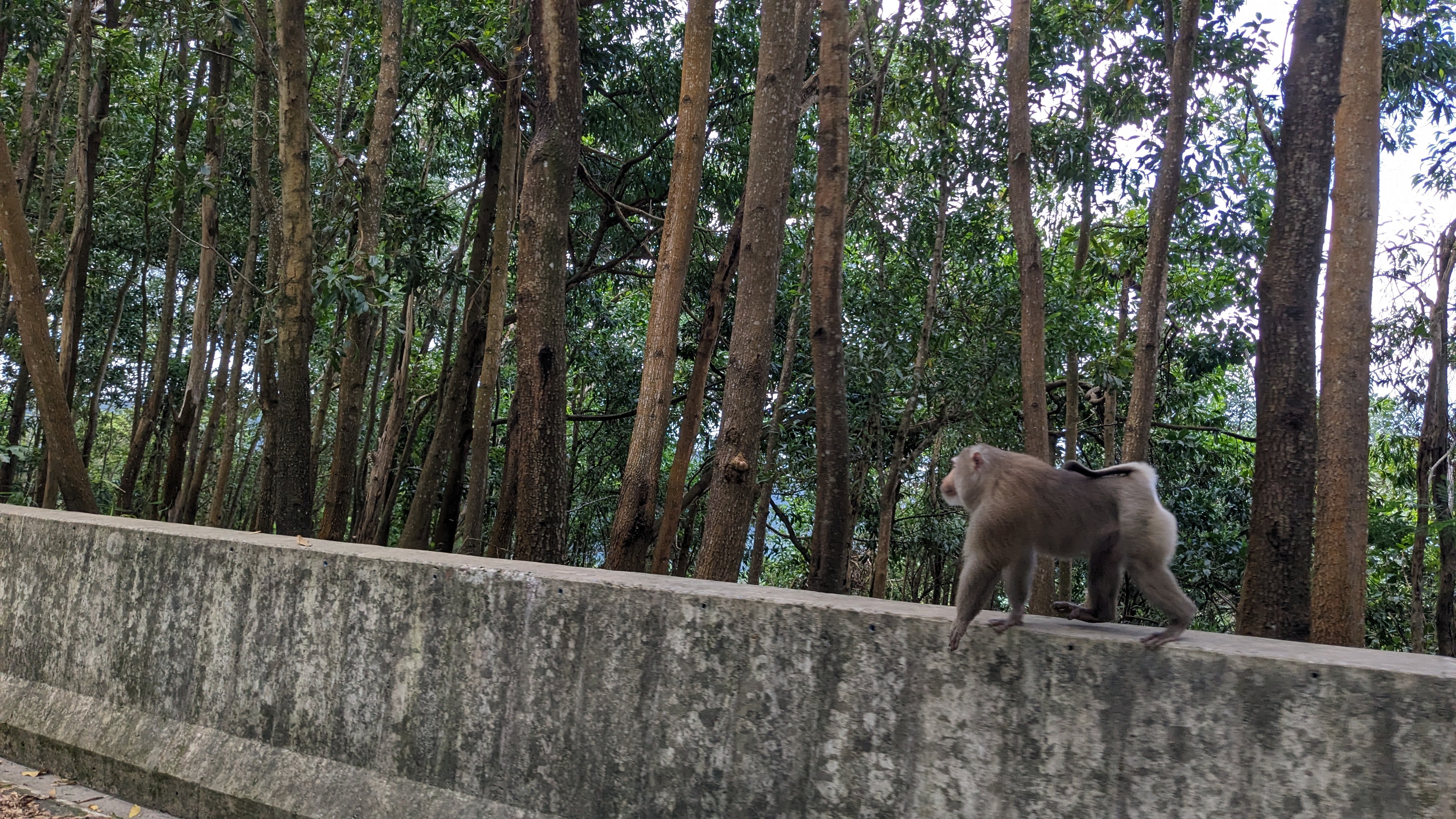




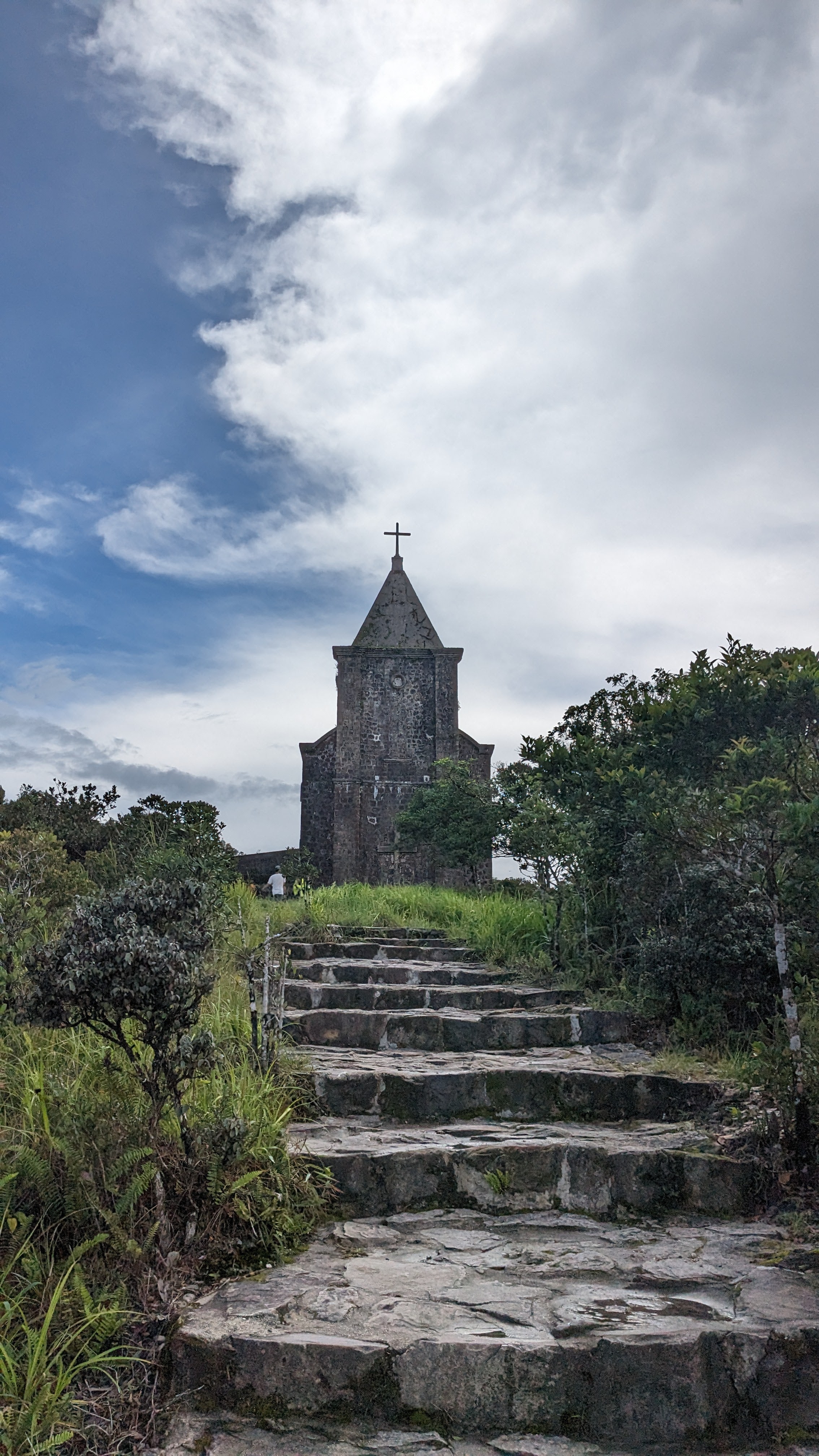
We passed in and out of clouds as we moved further along the plateau, visiting an old French building that had been maintained and was still in use as a hotel. This was near the ruins of an old church, a rare sighting in this primarily and historically Buddhist part of the world. It really felt like I had stepped into a historic European village. Having seen lots of cool things on the plateau at this point, we decided we were ready to head back down, of course stopping to appreciate the monkeys once again on the way down.




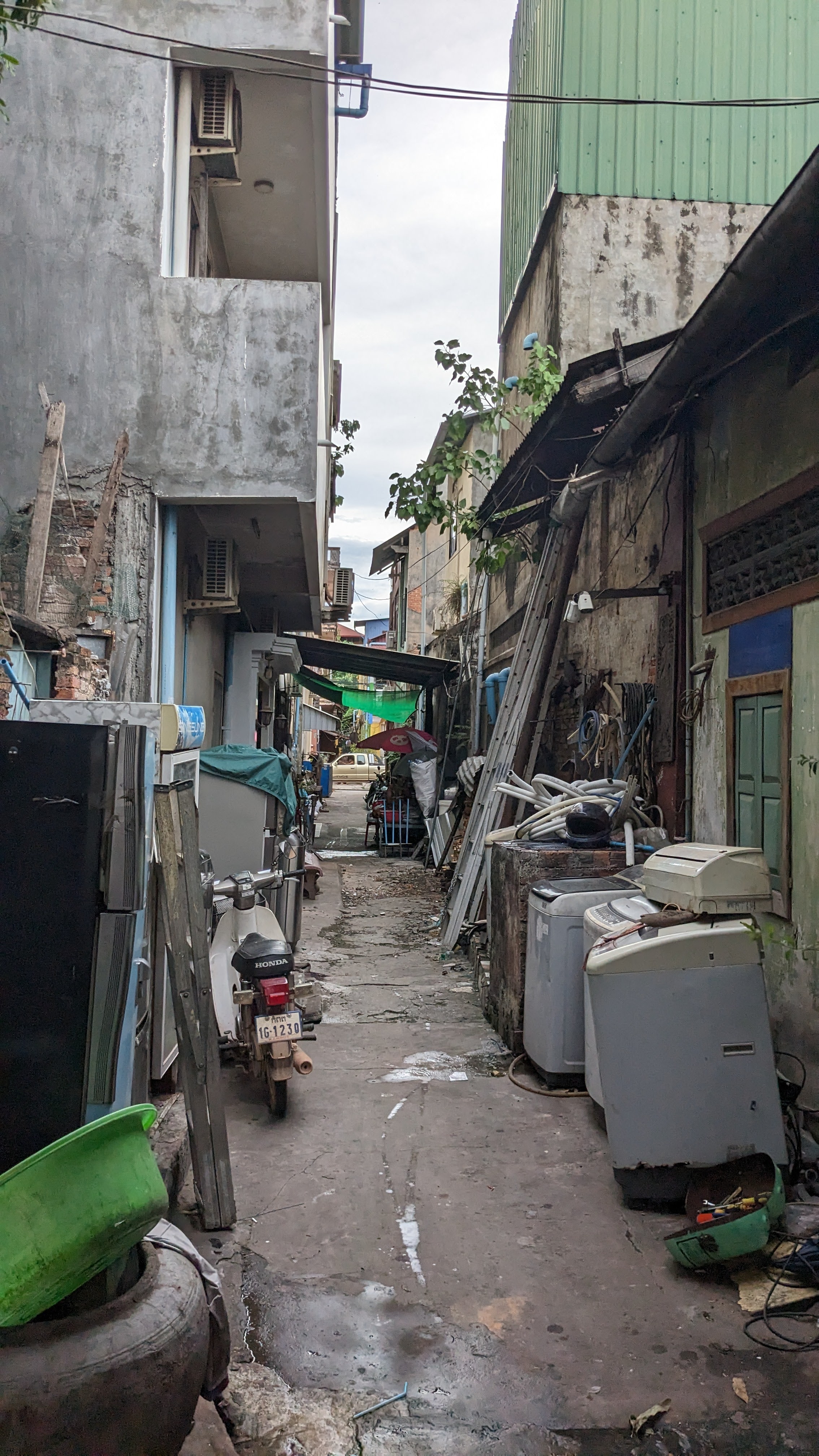
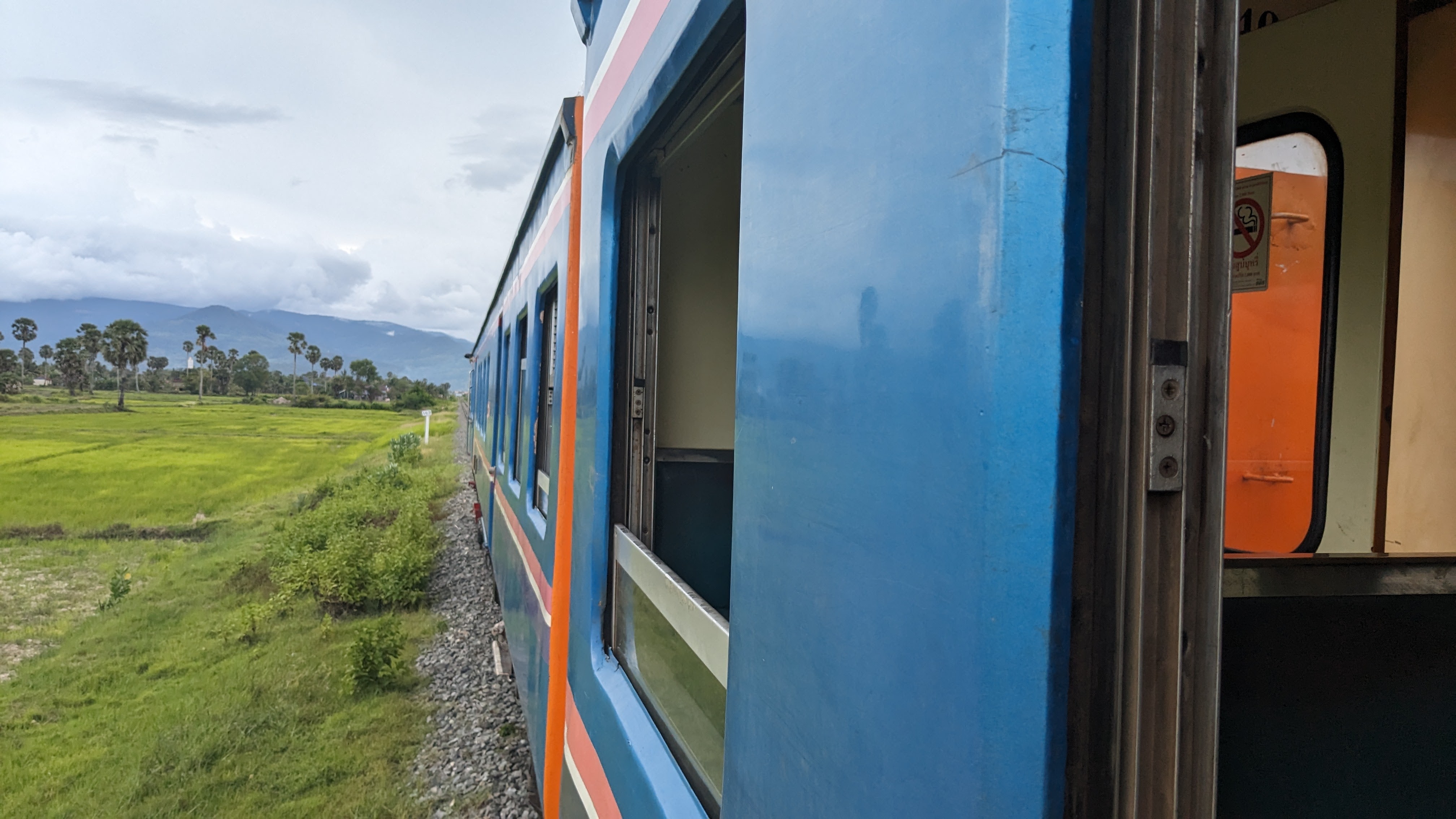
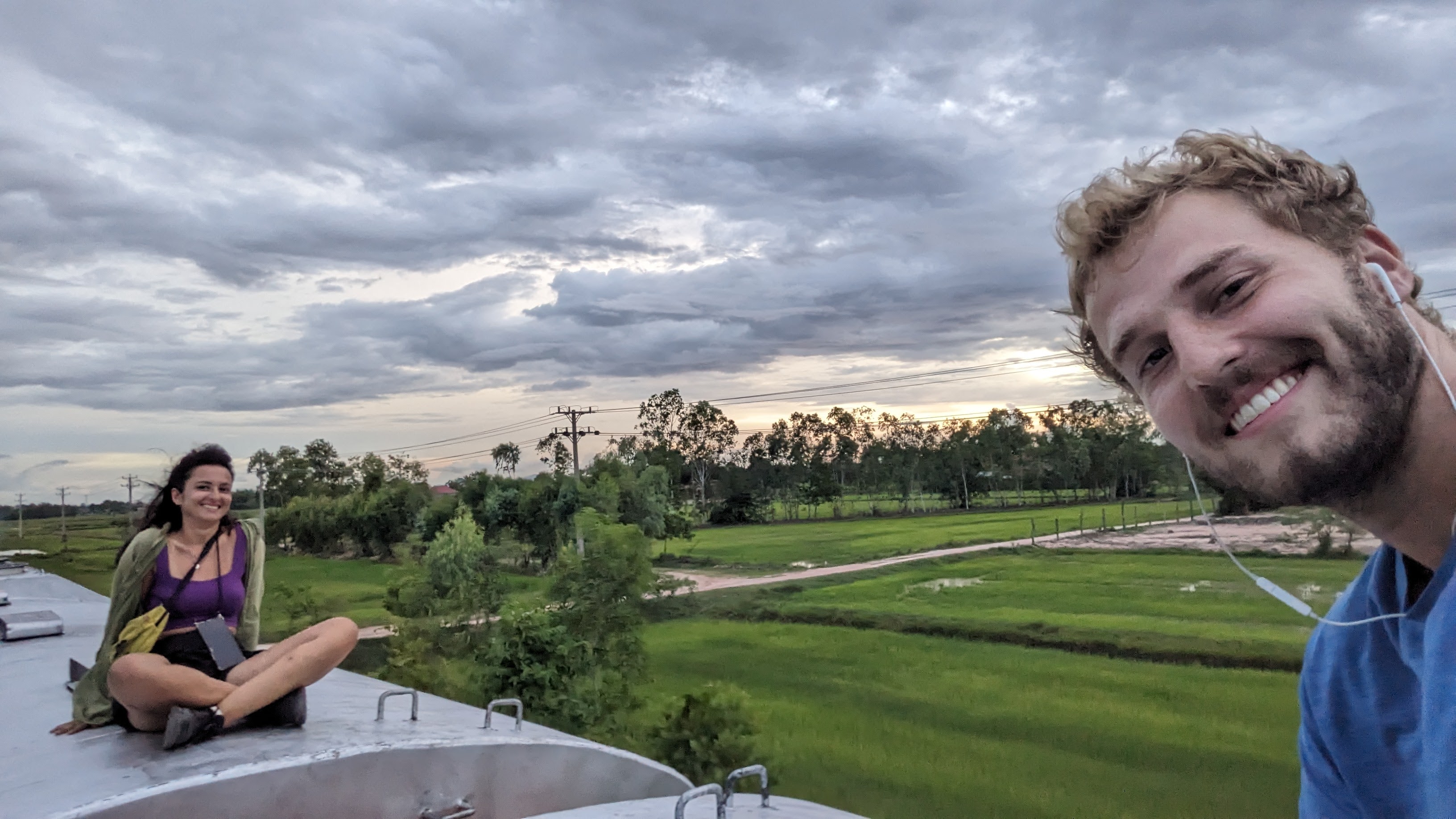
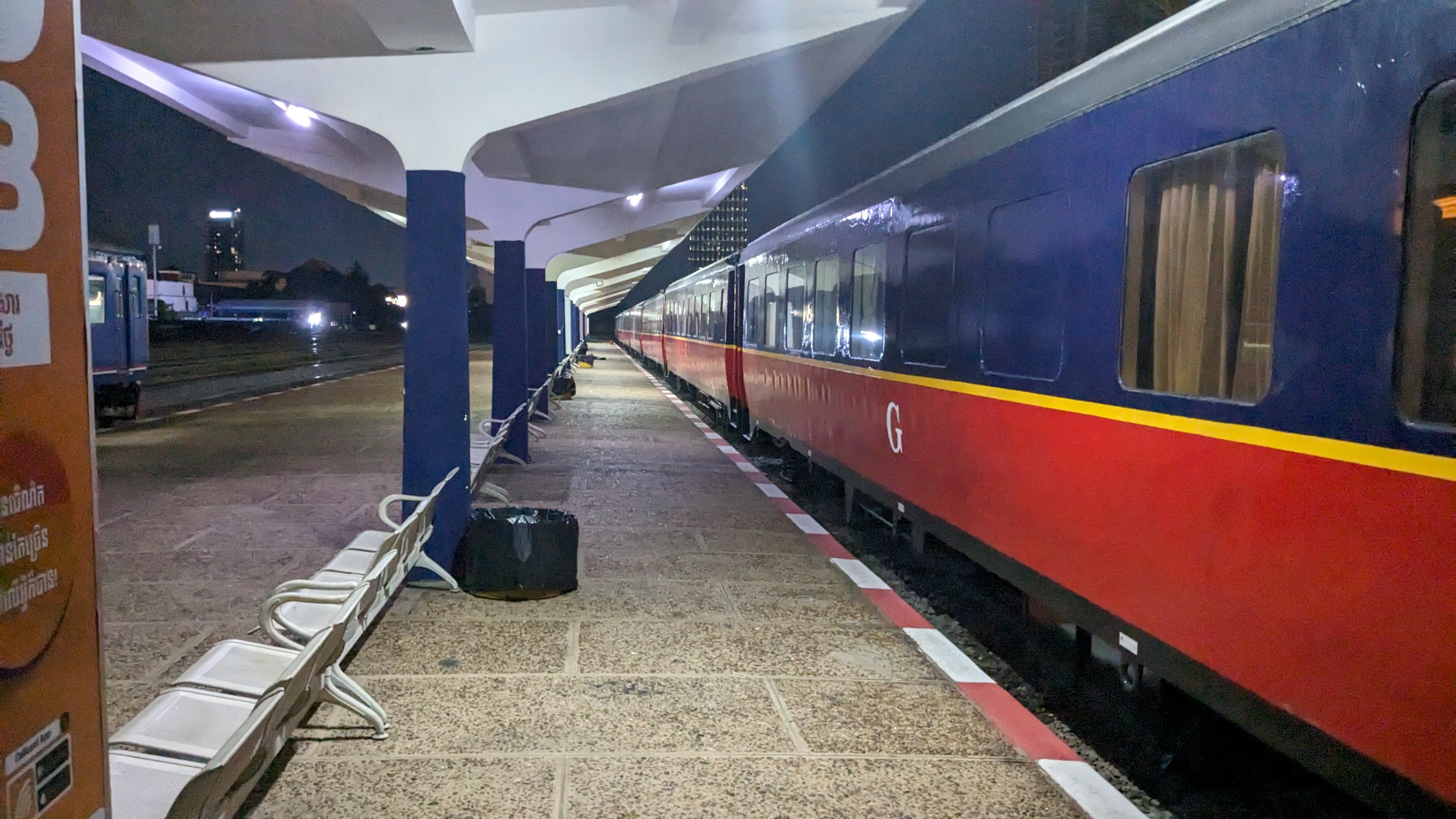
I managed to reconnect with one of the French travelers from Battambang, a girl named Aude, and after discovering that our Cambodian visas expired on almost the same day, and that we both planned to go to Vietnam next, we decided to travel together towards the border. This would require returning to Phnom Penh for a bus ride through the appropriate Vietnamese border crossing, so we booked tickets to leave Kampot together on the train for Phnom Penh. The day of the train we explored the city a little bit more before boarding, and I passed by a beautiful Buddhist funeral procession near the train station. After a little time waiting at the station the train arrived and we set off for Phnom Penh, set to arrive a few hours after sunset. We enjoyed the view from within the train, but after passing time for a while we noticed that ladders to the top of the train were easily accessible and entirely lacking any sort of “do not climb” sign, in any language. Unsurprisingly we ended up on top of the train for a little while, and got to appreciate the best possible view of the sunset, and a mesmerizing lightning storm that followed. Finally after an unexpectedly exhilarating ride, the train arrived in Phnom Penh.





 Denali's Travel Blog
Leave a reply to Denali Wilson Cancel reply